
What is email extraction?
A plain-language definition of email extraction in the context of EmailMagnet and browser-based extraction.
Quick answer
Email extraction is the process of detecting and collecting email addresses from website content so they can be reviewed, qualified, and exported for a specific workflow.
What this page covers
- Clear definition
- How it applies inside EmailMagnet
- Responsible-use guidance
- Related docs, pricing, FAQ, and blog links
Email extraction inside EmailMagnet
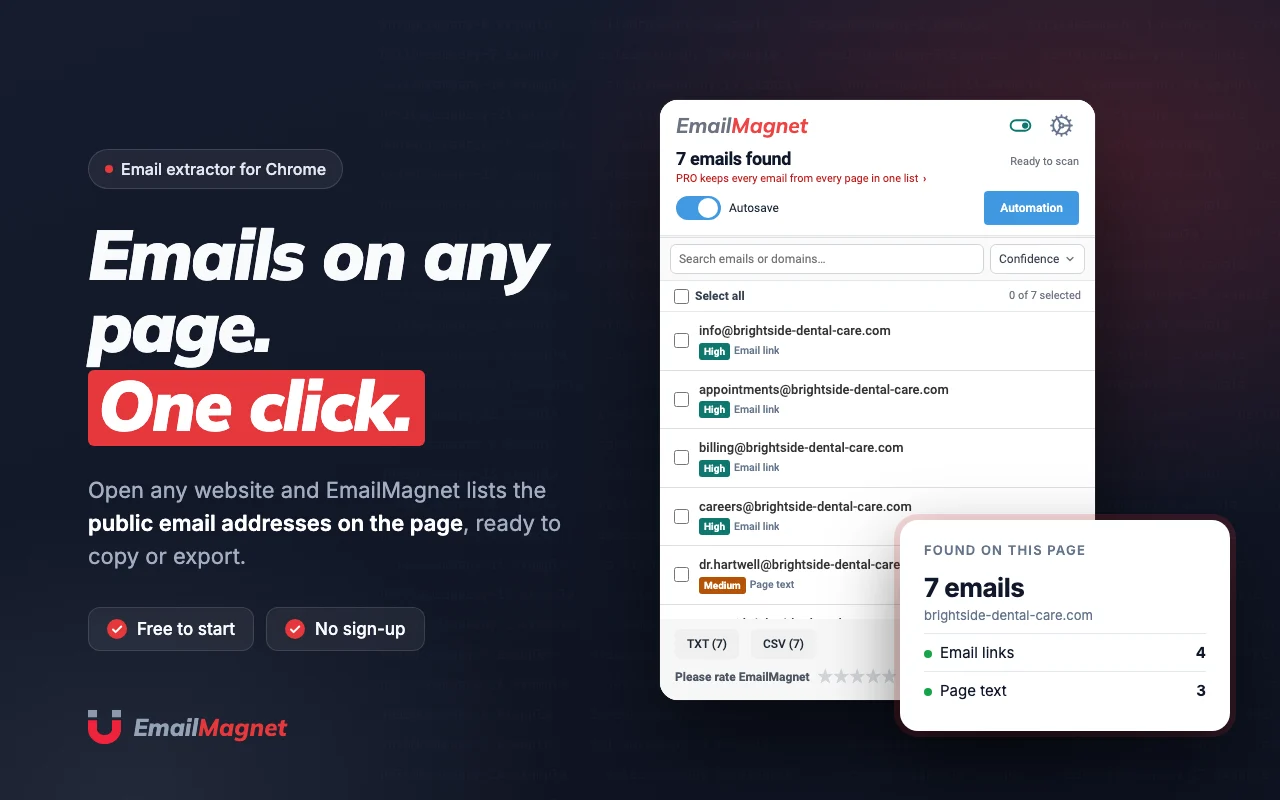
EmailMagnet focuses on browser-based extraction: users open a page, detect visible emails, review the results, and export the list as CSV or TXT. It is designed for people who already inspect websites manually and want a cleaner way to capture addresses they can see.
Responsible email extraction
Extraction should be paired with source context, lawful purpose, list cleanup, and opt-out handling before outreach begins. The extraction step creates a draft contact list; it does not decide whether each address is relevant or appropriate to contact.
Common source pages
Common sources include public contact pages, team directories, partner listings, event pages, vendor profiles, and company pages where the page itself gives context for the address.
What extraction does not mean
Email extraction is not the same as automatic scraping, enrichment, verification, or outreach. Those are separate steps with different risks and responsibilities.
Keep reading
Our own software
EmailMagnet, Volume Control PRO and ClickPilot AI on the Chrome Web Store, Countdown321 on the Shopify App Store. We build, publish and maintain them ourselves.
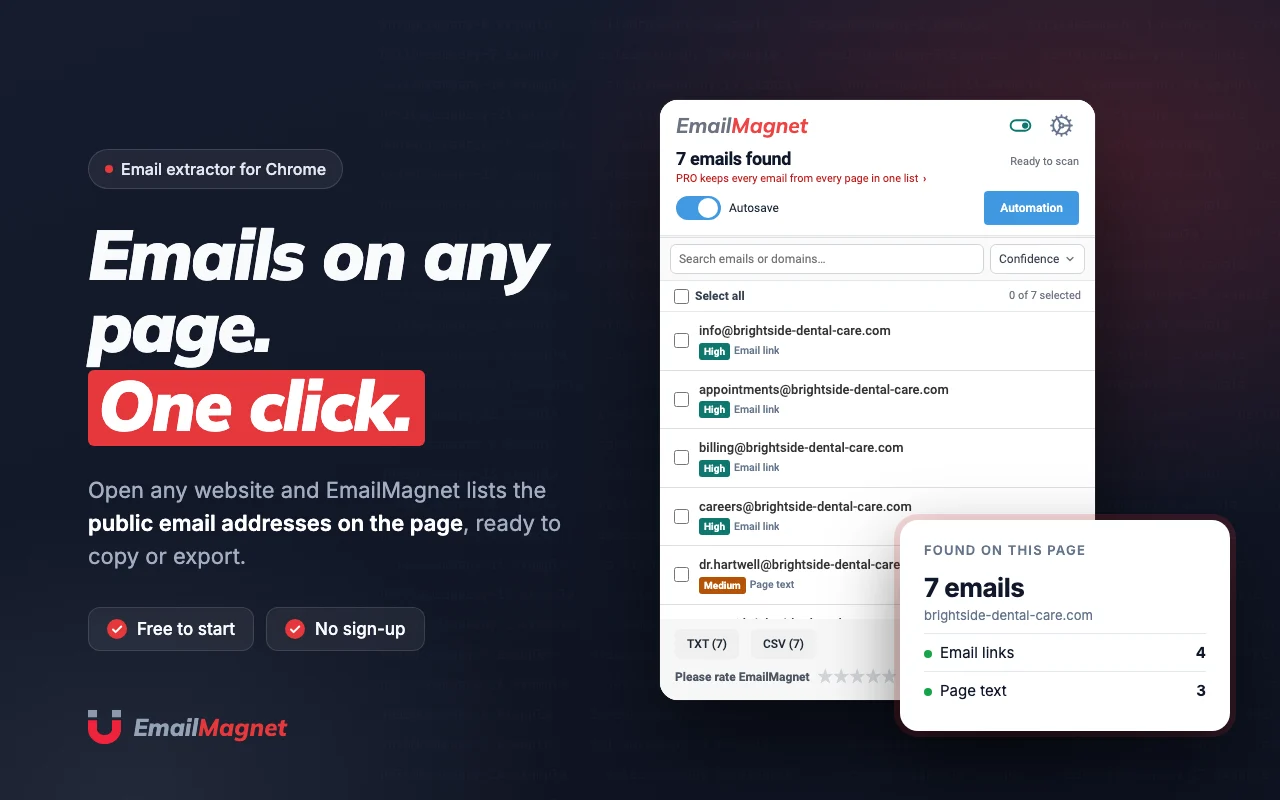 EmailMagnetChrome Web StoreChrome extension for finding and extracting emails while browsing.
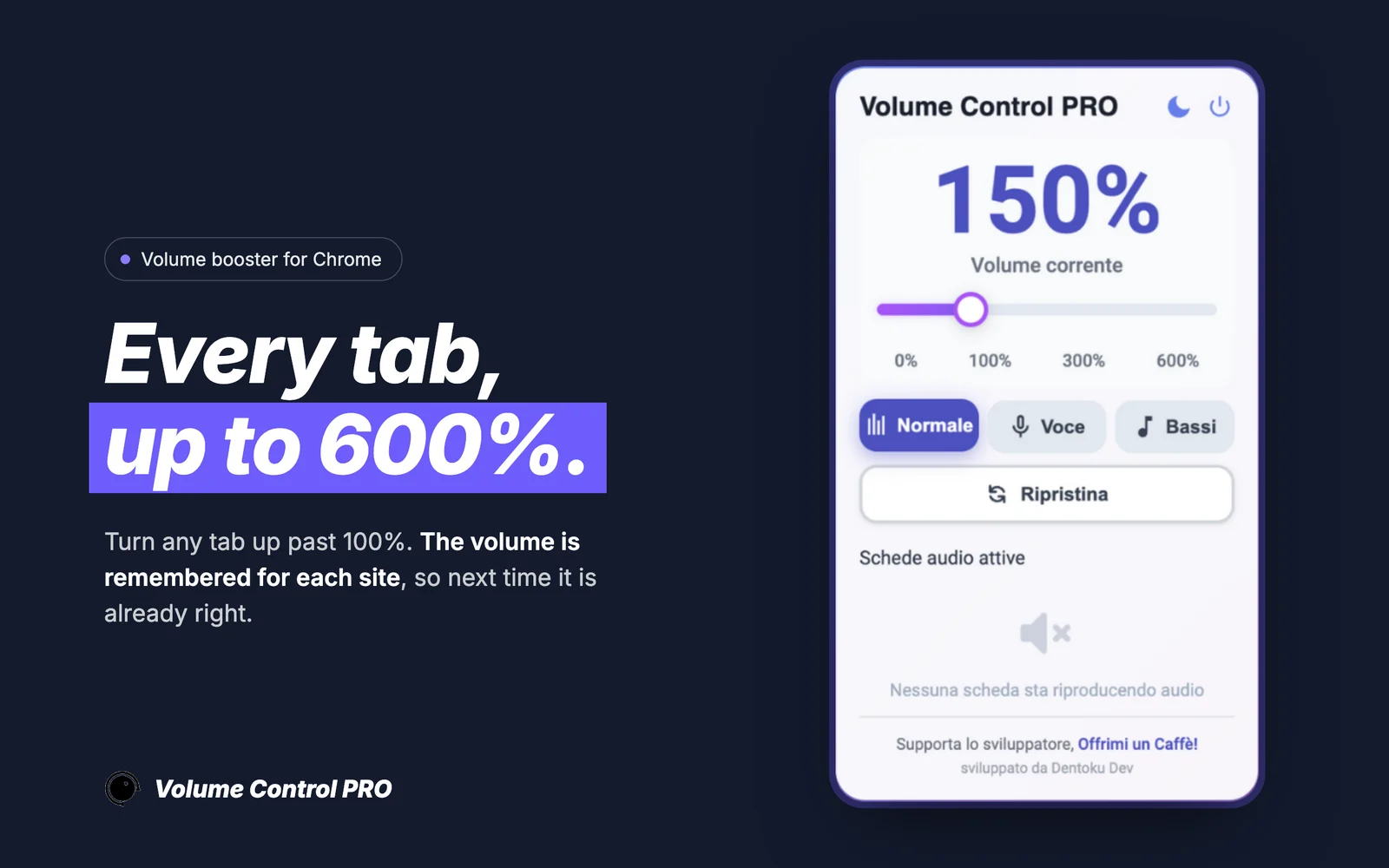 Volume Control PROChrome Web StoreAudio booster for Chrome tabs with up to 600% amplification and per-site volume memory.
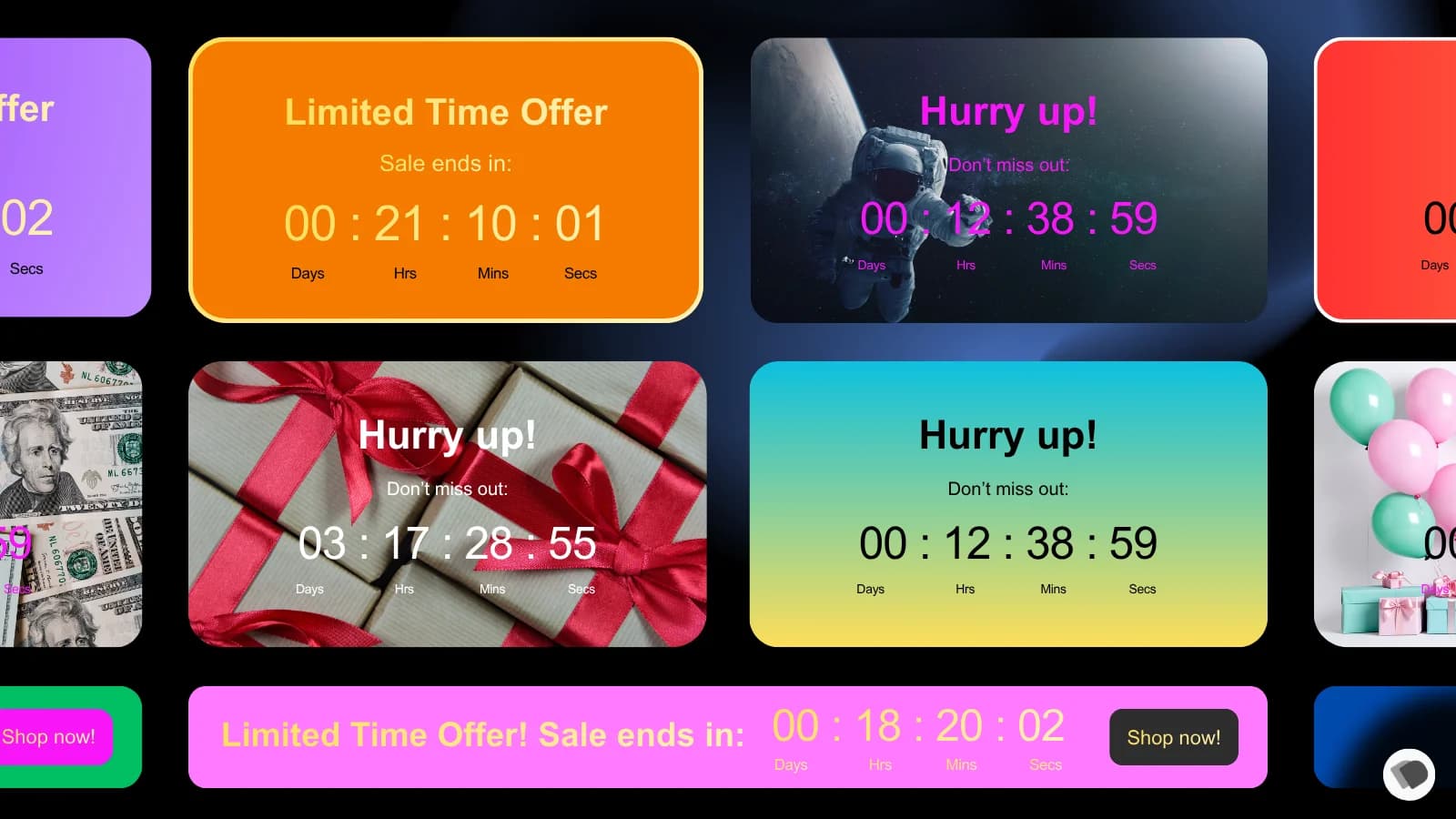 Countdown321Shopify App StoreShopify app for countdown and time-based storefront messaging.
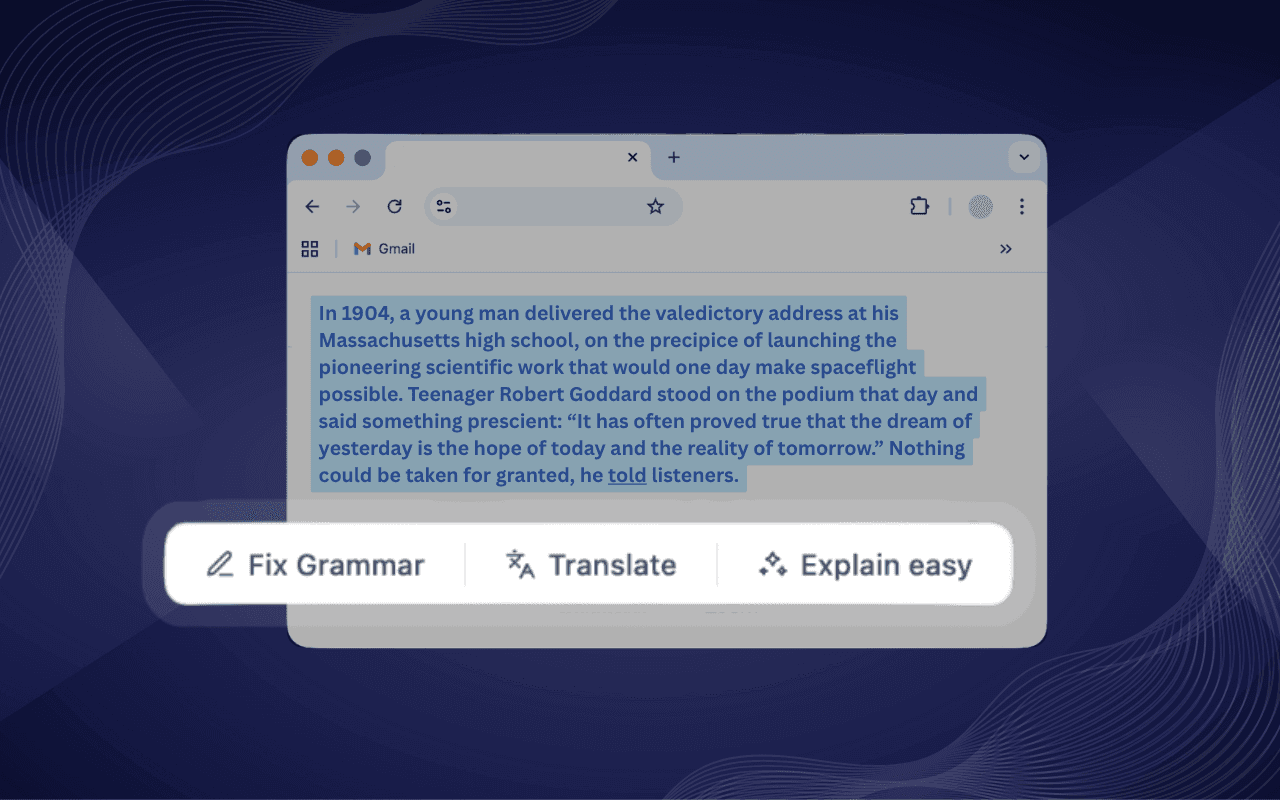 ClickPilot AIChrome Web StoreAI writing assistant for Chrome with fix, rewrite, summarize, translate, and custom shortcut actions inside text fields.
The written proposal says what we build, what it costs and when it is ready, and it starts from the hours repetitive work costs you today.
Start from your hours.
Today it costs you hours a month.
Four questions, one minute. The proposal starts from that number.
Count your hours